Citation Reports Font for Vintage Editorial Design
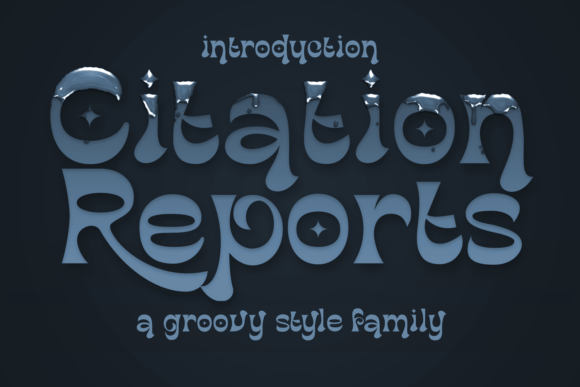
The Citation Reports font brings a nostalgic charm to editorial design with its vintage retro aesthetic. As a display font, it offers bold and playful characteristics that can elevate the visual appeal of any publication. Whether you're designing a blog header or a magazine cover, this font adds a unique touch that resonates with readers.
Visual Characteristics and Style
Citation Reports has a distinct personality that feels both retro and modern. Its design elements evoke a sense of nostalgia while maintaining clarity and readability. This makes it an excellent choice for various editorial applications where a vintage feel is desired without sacrificing legibility.
The font's bold strokes and playful curves give it a distinctive character that stands out in headlines and titles. It works particularly well for creating eye-catching visuals that draw attention and enhance reader engagement.
Applications in Editorial Design
Citation Reports can be effectively used across multiple platforms and formats. For instance, in blog headers, it adds a touch of whimsy that complements lifestyle content. When designing a recipe ebook, the font can create an inviting atmosphere that encourages readers to explore new culinary experiences.
For wedding guides, the font's vintage aesthetic aligns perfectly with the theme, making it ideal for chapter openers and section headings. In coaching workbooks, it can help establish a friendly and approachable tone that supports the learning journey.
Its versatility extends to digital magazines and printable planners, where it enhances the overall look and feel. The font also pairs well with other typefaces, allowing for creative font pairing that balances style with readability.
Readability Considerations
While Citation Reports excels as a display font, it's important to consider its use in longer reading sections. For body text, pairing it with a more readable serif or sans serif font ensures that the content remains easy to read on screens, in PDF exports, and when printed.
When using Citation Reports for headings or pull quotes, ensure sufficient contrast against the background to maintain visibility. This is especially crucial for mobile layouts where screen space is limited.
Font Pairing and Brand Identity
Citation Reports can be paired with a variety of fonts to achieve different visual effects. A clean sans serif font like Helvetica or Arial can complement it well for captions and navigation, while a traditional serif font such as Times New Roman can provide a classic balance for body copy.
By incorporating Citation Reports into your brand identity, you can create a cohesive look across all your publications. This consistency helps reinforce your brand message and makes your content more recognizable to your audience.
Commercial Licensing and Usage
If you're planning to use Citation Reports in commercial projects such as ebooks, templates, printables, or paid newsletters, it's essential to check the licensing terms. Ensuring proper commercial use will protect your work and avoid any legal issues.
For client publications or digital downloads, always confirm that the font license allows for the intended usage. This includes understanding any restrictions related to the number of users or the types of media involved.
Whether you're a blogger, publisher, or content creator, having access to a premium font like Citation Reports can significantly impact the quality and appeal of your work. It's a valuable asset that contributes to the overall design and professionalism of your publications.
Practical Examples
Imagine using Citation Reports for a lifestyle blog focused on vintage fashion. The font's retro vibe would harmonize beautifully with the content, creating a visually engaging experience for readers. Similarly, in a digital magazine about retro technology, it could serve as the primary font for headlines and section titles.
In a printable planner designed for creative professionals, Citation Reports can add a fun and artistic flair to weekly calendars and project trackers. For a newsletter targeting a niche audience, it can help establish a unique brand voice that stands out from competitors.
By thoughtfully integrating Citation Reports into your editorial designs, you can enhance the visual hierarchy, mood, and overall reader experience. It's a versatile tool that supports both creativity and functionality in publishing work.